
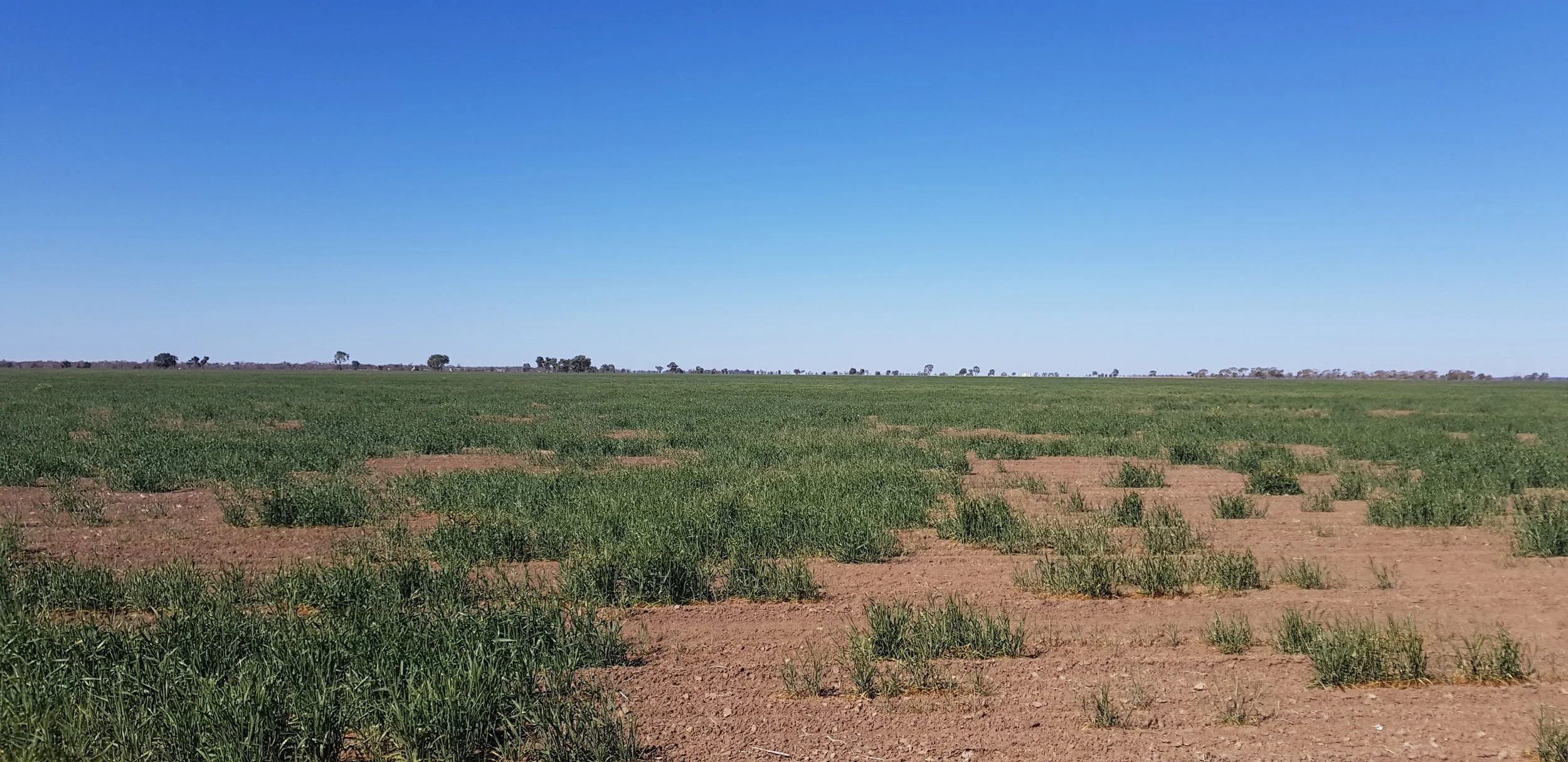
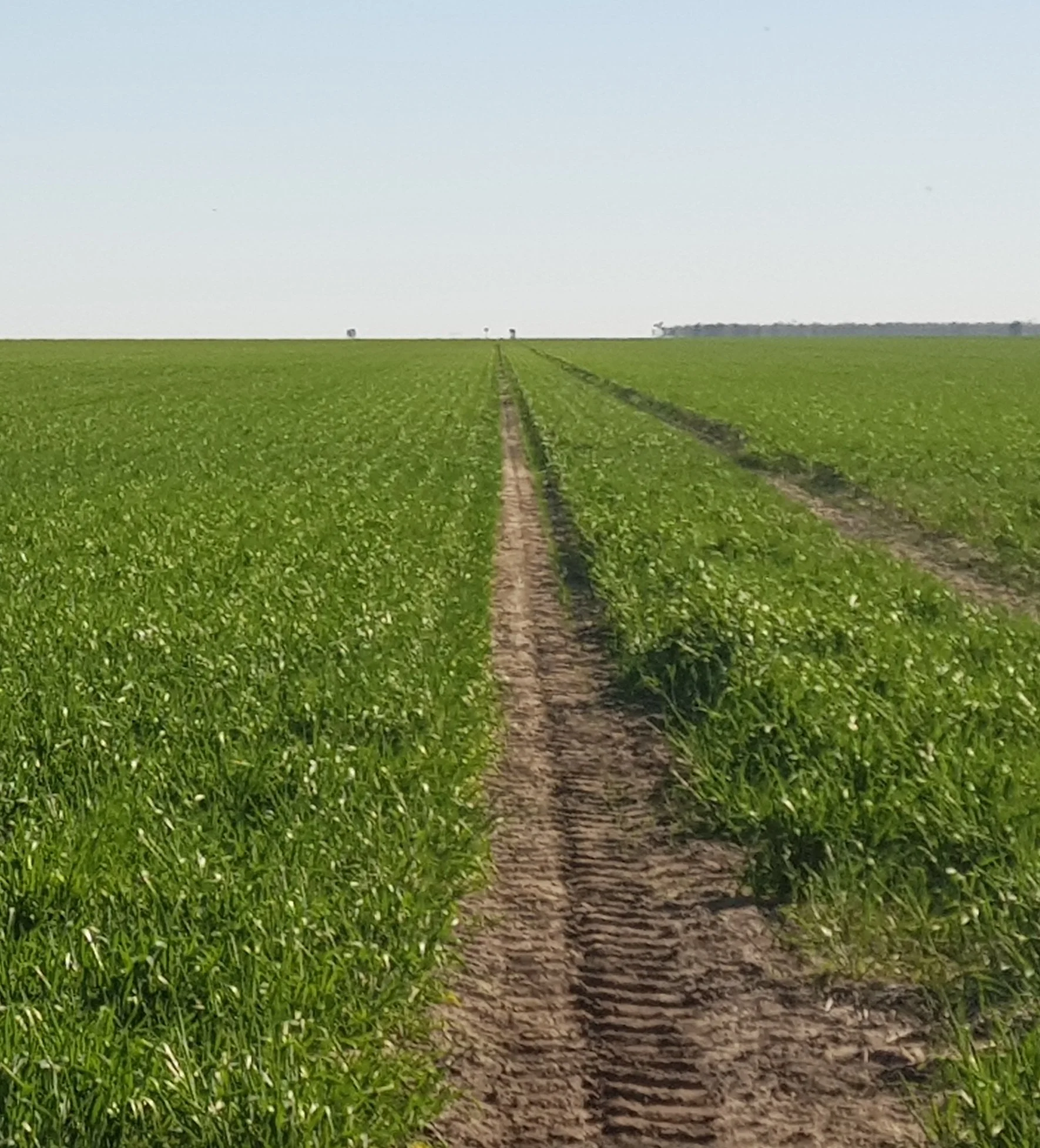
Why Crop Emergence becomes Uneven
The Problem:
Every paddock contains variability.
Soil type, stubble, compaction, and micro-topography all influence how moisture is stored. At sowing, this creates a hidden challenge:
Some areas have moisture close to the surface
Others require deeper placement
Some have little to no available moisture
Yet conventional seeders apply a single depth across the entire field.
The result is uneven emergence, early plants, late plants, and missed plants - all in the same pass.
The Insight:
Depth isn’t the target. Moisture is.
The typical response to dry conditions is to sow deeper.
But moisture doesn’t sit at a consistent depth across a paddock.
So a fixed depth becomes a compromise:
Too deep in some areas
Too shallow in others
And compromise leads directly to variability.
The Shift
Measure conditions where the seed is placed:
To achieve consistent emergence, you need to understand the conditions the seed actually experiences.
That means measuring soil moisture in-furrow, at seeding depth, in real time: not relying on averages, maps, or assumptions.
The Action - Respond as conditions change:
Once variability is visible, the seeding system can respond:
Adjusting depth to reach moisture
Managing downforce to maintain control
Maintaining consistent seed-to-soil contact
Instead of one setting for the whole paddock,
the machine adapts continuously as it moves.
The Outcome - Uniform emergence:
When seeds are placed into consistent moisture conditions:
Germination becomes more uniform
Crop competition is reduced
Yield potential improves
Risk in dry starts is lowered
A Better Way to Seed:
Conventional seeding targets consistent depth.
But crops respond to consistent conditions.
The future of seeding is simple:
Place every seed into moisture.
Where MPT Fits:
MPT enables this shift by combining:
In-furrow moisture sensing
Real-time machine control
Independent row unit actuation
Turning seeding from a fixed process, into a responsive system.